
Fast Radiator Repairs | Powerflush Services | Gas Safe Engineers
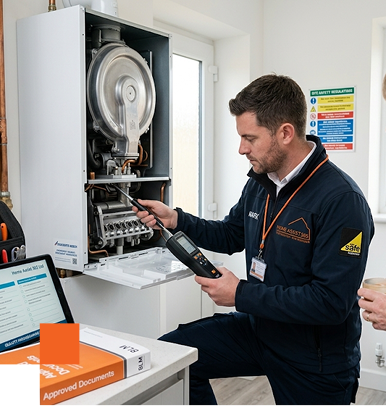
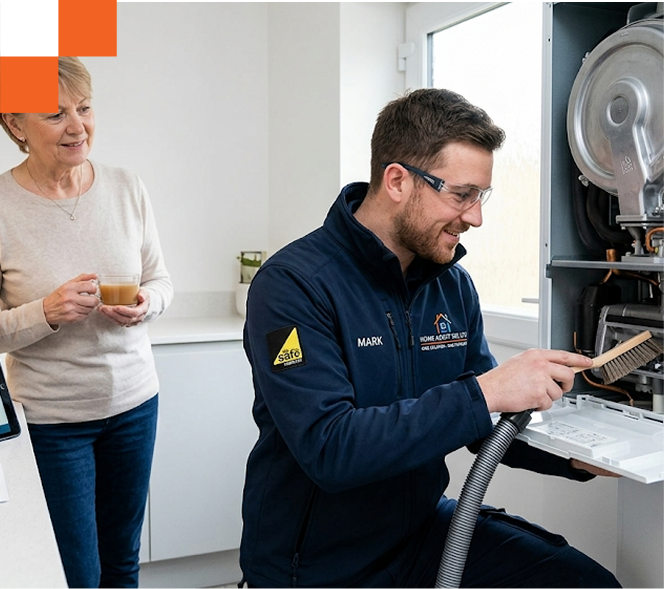
Cold radiators? Noisy pipes? Leaking valves? We fix all central heating and radiator problems across Bristol, Bath, and South Wales. Our Gas Safe registered engineers (No. 632778) can diagnose and repair issues quickly, getting your heating back to full strength.
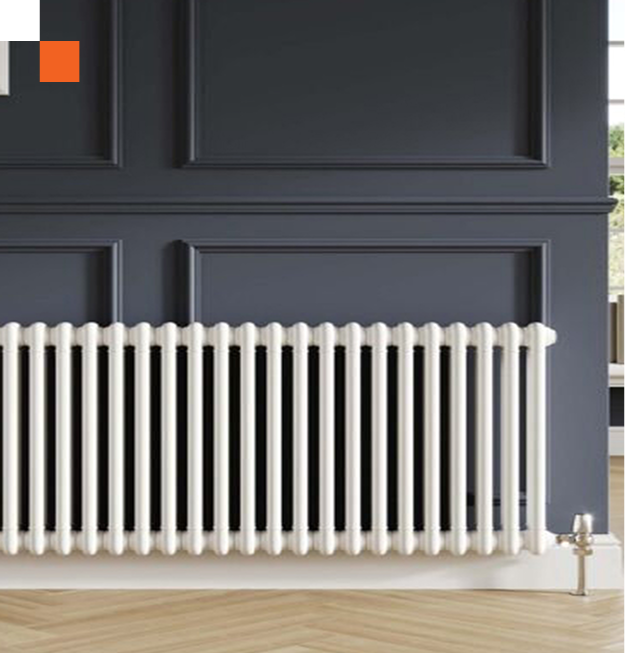
Over time, sludge, rust, and debris build up in your central heating system. This causes cold spots, noise, and inefficiency. A powerflush uses high-pressure water and cleaning chemicals to remove all the gunk and restore your system to peak performance.
From £525 for a full system powerflush (based on typical 3-bed home with 8-10 radiators)
Radiator Replacement & Upgrades
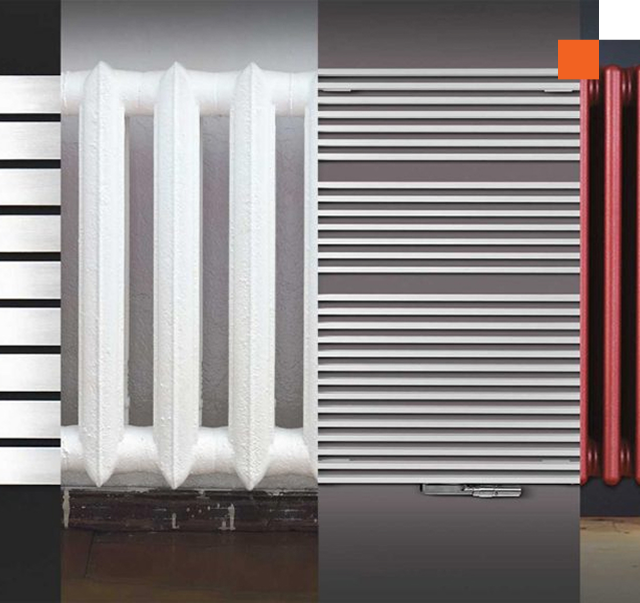
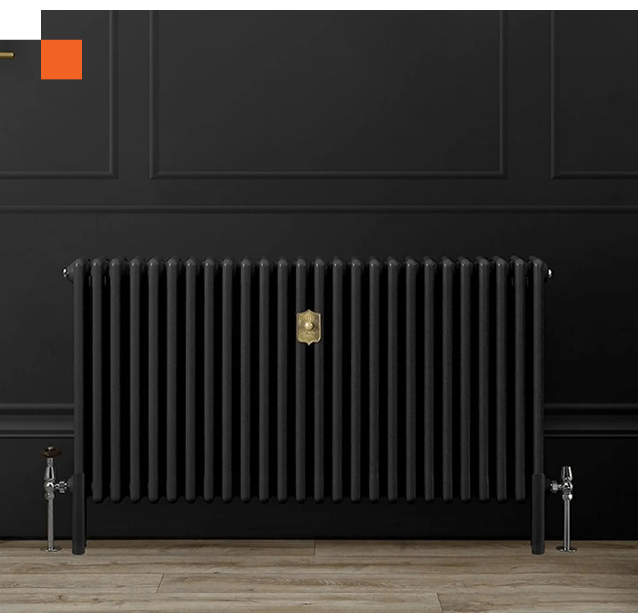
Need a new radiator? We supply and fit all types:
Same-week appointments available
All work fully certified and compliant
No surprises – you'll know the cost before we start
We protect your home and clean up afterwards
At Home Assist 365, our values are rooted in reliability, honesty, and high-quality workmanship. We believe in clear communication, fair and transparent pricing, and completing every job correctly the first time. Our engineers focus on safe, efficient, long-term heating solutions rather than short-term fixes, ensuring lasting peace of mind. Every customer is treated with care, respect, and dependable support, 365 days a year.
Bleeding releases air. A powerflush removes sludge and debris from the entire system using professional equipment.
With a magnetic filter, every 10-15 years. Without a filter, every 5-8 years.
Yes – every radiator is individually flushed in both directions until the water runs completely clear.
Not at all. We connect directly to drains via hoses. Everything is contained and we clean up afterwards.
No – your heating will be off while we work. We complete most jobs in one day so you have heating back by evening.
Most jobs take 4-6 hours depending on the number of radiators. Very large systems may take a full day.
When to Replace: If your radiators are over 20 years old, heavily corroded, or constantly problematic, replacement is often better value. Modern radiators are more efficient and come with 10-year guarantees.
When to Repair: If your radiator is relatively new and the issue is isolated (leaking valve, stuck TRV), repair is cost-effective. We can replace valves for £75 or bleeding costs £65.
Noisy Radiators or Pipes: Banging, gurgling, or kettling sounds usually indicate sludge buildup or air in the system. A powerflush removes sludge, while bleeding releases air.
Leaking Radiator Valves: Dripping from valve connections is common in older systems. We can replace valve seals, or fit new valves if needed. Don’t ignore small leaks – they’ll get worse.
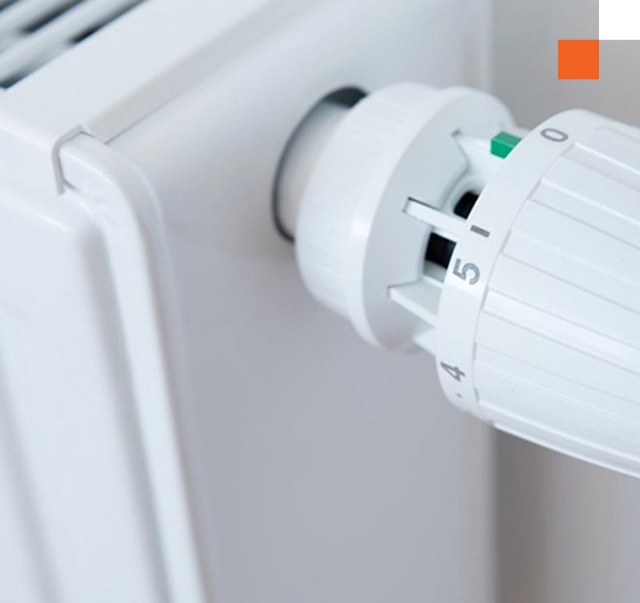
Radiator Not Heating At All: If one radiator stays cold while others heat up, the thermostatic valve (TRV) may be stuck, or sludge is blocking flow. We can replace valves or flush the radiator individually.
Cold Spots on Radiators: If the top of your radiator is hot but the bottom is cold, air is trapped. Bleeding usually fixes this. If the bottom is hot but the top is cold, sludge has settled. You need a powerflush.
System Pressure Explained: Most systems run at 1.0-1.5 bar when cold. Pressure rises slightly when heating is on – this is normal. If pressure keeps dropping, you have a leak somewhere. If pressure rises above 2.5 bar, your expansion vessel may have failed. We can top up pressure during a service or repair visit.
Common System Problems and Causes: All Radiators Cold – boiler fault, pump failure, or system airlock. Some Radiators Cold – balancing issue, stuck valves, or sludge blockage. Top of Radiators Cold – air trapped in system, bleed the radiators. Bottom of Radiators Cold – sludge buildup, needs powerflush. One Radiator Cold – stuck TRV, closed lockshield valve, or blockage. Radiators Hot Upstairs, Cold Downstairs – pump not strong enough or balancing issue. Noisy Radiators – air in system or sludge buildup causing kettling.
Key Components Explained: The Pump pushes water around the system – if it fails, radiators won’t heat up. The Three-Way Valve or Zone Valves direct hot water to either heating or hot water – faults here cause heating or hot water to fail. Thermostatic Radiator Valves (TRVs) control individual radiator temperature automatically. Lockshield Valves balance the system – ensuring all radiators heat evenly. The Expansion Vessel accommodates water expansion as it heats – if it fails, you’ll get pressure problems.
How Hot Water Circulates: Your boiler heats water to around 65-75°C. The pump pushes this hot water through pipes to your radiators. Hot water enters each radiator at one end, flows through the internal channels, and exits cooler at the other end. The cooled water returns to the boiler to be reheated. This cycle continues while your heating is on.
Knowing how your heating system works helps you identify and describe problems when you call us.
Modern Radiator Benefits: New radiators heat up faster and distribute heat more evenly. They’re more efficient – wasting less energy. They look better – cleaner, more contemporary designs available. They come with long warranties – typically 10 years. They’re less likely to develop leaks or cold spots.
Our Recommendation Process: When we visit, we’ll assess each radiator honestly. We’ll show you any issues and explain the options. We’ll give you fixed prices for both repair and replacement. The decision is always yours – we’ll never pressure you into unnecessary work. Our goal is to give you reliable heating that’s cost-effective.
Cost Comparison Example: Repairing a leaking valve costs £75. Replacing the TRV costs £90. But if your radiator also has cold spots, surface corrosion, and is 25 years old, you’ll spend £165 on repairs now and likely face more problems within 2 years. A new radiator costs £200-400 fitted, comes with a 10-year guarantee, and will be more efficient. Sometimes replacement is the smarter long-term choice.
Replace Makes Sense When: Radiators are over 20 years old – old radiators are less efficient and prone to more problems. You have multiple radiators with issues – fixing them all individually costs more than replacement. There’s visible corrosion, pitting, or rust holes – these will only get worse. You’re installing a new boiler – old radiators can contaminate the new system with sludge. You want to upgrade to modern, more efficient radiators. Your radiators are an outdated size or style that doesn’t suit your room layout.
Repair Makes Sense When: Your radiators are less than 15 years old and generally in good condition. The issue is isolated – a single leaking valve, stuck TRV, or air lock. The repair cost is under £150 per radiator. The radiator style matches others in your home and replacement would look odd. You’re planning to upgrade your heating system in the next 2-3 years anyway.
Making the right decision between repairing and replacing radiators can save you money and hassle. Here’s our honest advice.
After Winter – April/May: This is the ideal time for non-urgent repairs or radiator replacements. System maintenance is cheaper in spring and summer when engineers are less busy. Consider a powerflush if you noticed issues during winter. Top up inhibitor if needed.
During Winter – November to March: Don’t turn heating off completely even when away – keep it on low to prevent pipes freezing. Report any unusual noises, smells, or performance issues immediately. Keep radiators clear of furniture and curtains for efficient heat distribution. Monitor your energy bills – sudden increases suggest system problems.
Before Winter – September/October: Test your heating before the first cold snap. Turn it on for an hour and check every radiator heats properly. Bleed radiators if you hear gurgling or feel cold spots. Check for leaks around radiator valves and pipes. Book your annual boiler service if it’s due. Check system pressure and top up if below 1 bar.
Keep your heating system in top condition year-round with these simple maintenance tips.
South Gloucestershire and North Somerset: Bradley Stoke, Thornbury, Yate, Portishead, Clevedon, Nailsea.
South Wales: Newport, Cardiff, Chepstow, Caldicot, Monmouth, Cwmbran, Caerphilly.
Bath: City Centre, Oldfield Park, Twerton, Weston, Combe Down, Batheaston, Bathwick, Bear Flat, Widcombe, and all Bath postcode areas.
Bristol: All areas including Clifton, Redland, Cotham, Bishopston, Westbury-on-Trym, Henleaze, Southville, Bedminster, Knowle, Brislington, St George, Fishponds, Filton, and surrounding areas.
We provide radiator repairs and powerflushing services across Bristol, Bath, South Wales, and surrounding areas: