CP12 Gas Safety Certificates | £79 | Gas Safe Registered | Fast Turnaround
As a landlord, you have a legal duty to ensure all gas appliances in your rental properties are safe. Home Assist 365 provides fast, reliable CP12 gas safety certificates across Bristol, Bath, and South Wales – helping you stay compliant and keep your tenants safe.
A CP12 (also called a Gas Safety Certificate or Landlord Gas Safety Record) is a legal document that proves all gas appliances, fittings, and flues in your rental property have been inspected and are safe to use.
By law, you must:
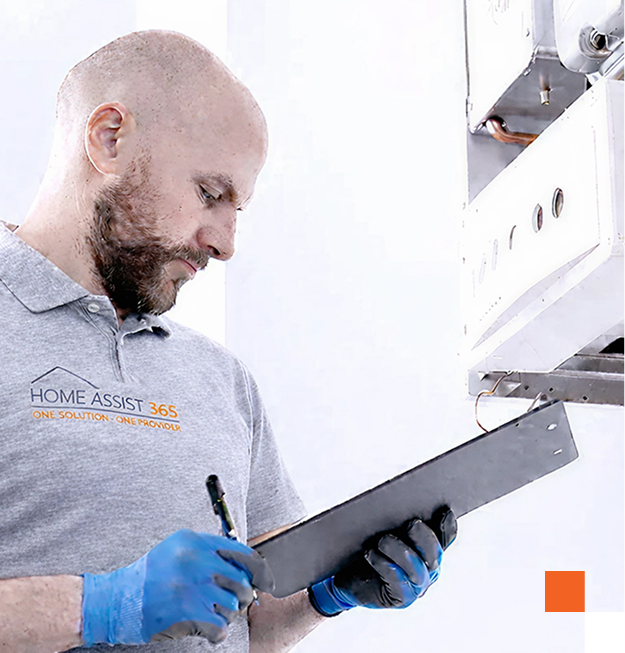
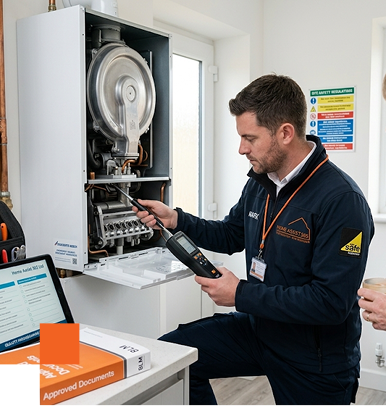
Our Gas Safe engineers inspect:
Our CP12 Service
Price: £79 per property
What’s included:
Managing multiple properties? Let us handle your gas safety checks automatically.
Our Landlord Care Plan includes:
Penalties for Non-Compliance: Unlimited fines, up to £6,000 per property per breach, up to 6 months in prison for serious breaches, invalidates your landlord insurance, and gives tenants grounds to withhold rent.
When Tenants Refuse Access: You must make all reasonable attempts to gain access. This means giving adequate notice (at least 24 hours), offering multiple appointment times, sending reminder letters, and keeping records of all attempts.
Landlord’s Responsibility: Boilers, gas fires (fixed appliances), gas cookers if you provided them, and all gas pipework on your side of the emergency control valve.
Maintaining Appliances: You must maintain all gas appliances, pipework, and flues in safe working order.
Providing the Certificate: Give tenants a copy within 28 days of the check. Provide a copy to new tenants before they move in. Keep records for at least 2 years.
Annual Safety Checks: You must arrange a gas safety check by a Gas Safe registered engineer every 12 months for each gas appliance and flue. This applies to rental properties, student accommodation, hotels and B&Bs, care homes, and holiday lets rented for more than 28 days consecutively.
The Gas Safety Regulations 1998 place specific duties on landlords.
If our engineer finds a safety issue, we’ll:
You’ll still receive a CP12 certificate – it will just note the failure and remedial action required.
Volume Discounts: 3-5 properties get 10% discount (£71.10 per CP12). 6-10 properties get 15% discount (£67.15 per CP12). Contact us for bespoke pricing for 11+ properties.
Set Up a Landlord Care Plan: We track all your CP12 expiry dates, send automatic reminder emails 6 weeks before expiry, provide priority booking, offer discounted rates for 3+ properties, provide single monthly invoices, and assign a dedicated account manager.
Stagger Your Certificates: Don’t let all your properties expire in the same month. Spread them throughout the year.
If you own several rental properties, staying on top of gas safety checks can be challenging.
Building Good Relationships: Tenants who feel respected and informed are more cooperative. Quick responses to maintenance requests encourage them to allow access for safety checks. Regular, professional communication reduces disputes and tenant turnover.
If Repairs Are Needed: Explain the issue in plain language – avoid technical jargon. Tell them when repairs will happen and how long it will take. If heating needs to be off, give as much notice as possible. Offer alternatives if it’s winter and heating is unavailable.
After the Inspection – Share Results Promptly:
We email the CP12 certificate to you on the same day. Forward it to your tenant immediately – it shows everything is safe and builds trust. If any issues were found, explain clearly what was wrong, what action you’re taking, and when repairs will happen. Don’t hide problems – transparency prevents complaints.
During the Inspection – Respect Tenant Privacy:
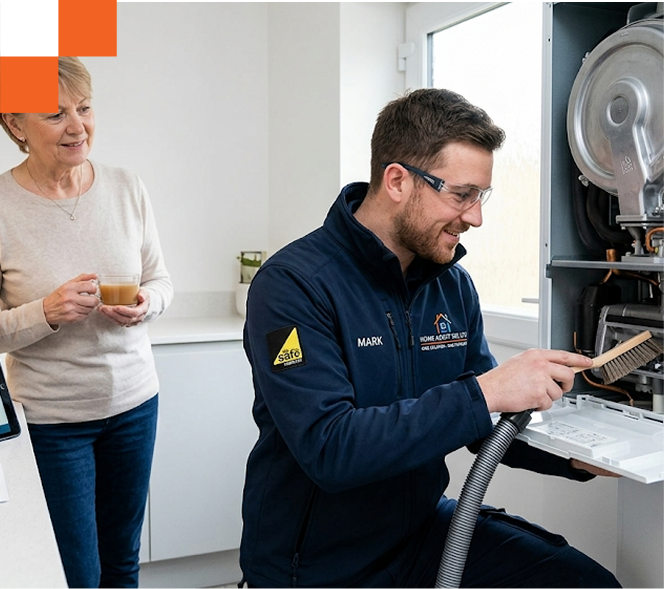
We only access areas needed for the inspection. Bedrooms are only entered if there’s a radiator that needs checking. We’re professional, courteous, and tidy. We explain what we’re doing if the tenant is curious.
Provide Our Details in Advance:
Share our company name, engineer name if known, and contact number. Explain we’ll show Gas Safe ID on arrival. This reassures tenants they’re letting the right person in.
Make it Easy to Say Yes:
Explain this is for their safety and ensures reliable heating. Frame it positively: ‘Making sure your heating stays safe and reliable all winter.’ Offer 2-3 appointment options rather than dictating a single time. Be accommodating – a little flexibility prevents access issues.
Before the Inspection – Give Proper Notice:
Email or text at least 7 days before the appointment. Include the date, time, reason (legal requirement), duration (usually 30 minutes), and what access is needed (boiler, gas fire, cooker). Send a reminder 48 hours before. Offer flexible appointment times – early mornings, evenings, or weekends work for tenants with day jobs.
Good communication with tenants makes gas safety checks smooth and stress-free. Here’s what works.
Taking prompt action on AR and ID findings shows due diligence. Ignoring faults puts you at risk of prosecution and voids your landlord insurance. A paper trail of your efforts to maintain safety is your best legal protection.
Be transparent with your tenant about any issues found. Explain what’s being done and when repairs will happen. For ID findings, alternative heating may need arranging while repairs are completed. Good communication prevents complaints and legal issues.
We provide fixed-price quotes for any necessary repairs on the spot. Most common issues can be fixed immediately if you authorize the work. If parts are needed, we’ll order them and return quickly. Emergency same-day repairs are available for ID issues. You can use any Gas Safe engineer for repairs – you’re not locked into using us.
You’ll still receive a CP12 certificate even if there are faults. The certificate will show the fault classification and action taken. It remains valid for 12 months from the inspection date. You must take appropriate action for any AR or ID findings. An updated certificate should be issued once repairs are completed.
We are legally required to immediately disconnect and label the appliance ‘Danger – Do Not Use’. We turn off the gas supply to that appliance. We notify you and the tenant immediately – usually on the spot. We must report it to the Health and Safety Executive if we believe tenant safety is at risk. We cannot reconnect the appliance until it’s been repaired and passes a safety check.
The appliance poses an immediate risk to life and property. Examples include: carbon monoxide leaking into the property, gas leaks that could cause explosion or poisoning, no flue allowing dangerous gases to build up indoors, severely damaged or disconnected flues. This is the most serious classification.
The appliance or installation has one or more faults that could become dangerous if not corrected. A Gas Safe registered engineer will explain the issue and advise on the action required. Where turning the appliance off would reduce the risk, the engineer may recommend that it is switched off until the fault has been rectified. Any required repairs should be arranged promptly, and the engineer’s safety advice should always be followed.
The appliance works and is safe to use but doesn’t meet modern standards. Example: an old boiler without certain safety features fitted to newer models. It’s recorded on your certificate but no immediate action needed. You might want to consider upgrading eventually but there’s no urgency.
Gas Safe engineers must classify any defects found. This isn’t optional – it’s a legal requirement designed to protect tenants.
Not all CP12 inspections result in a pass. Here’s what happens if we find a safety issue and what you need to do.
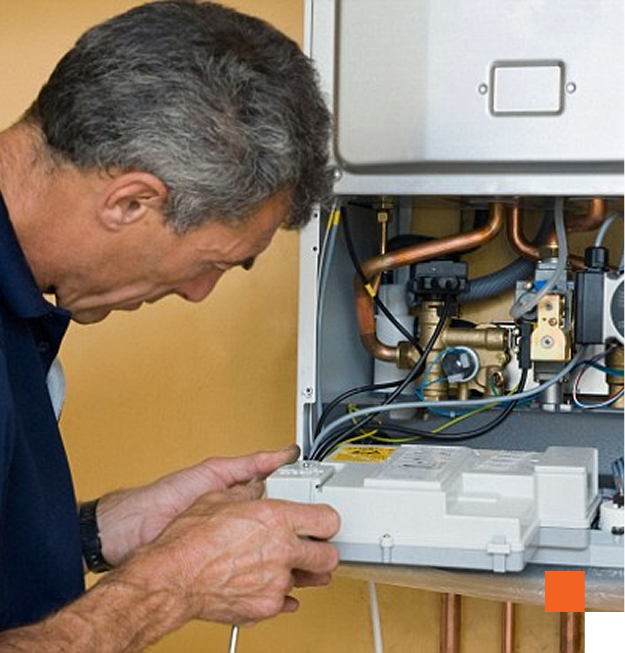
Proper record keeping is part of your legal responsibility as a landlord. Keep all CP12 certificates for at least 2 years. Store copies digitally and in paper format as backup. Keep records of all gas appliance repairs and servicing. Maintain a log of when certificates were provided to tenants. Document any difficulties gaining access for inspections. These records provide legal protection if disputes arise.
At Home Assist 365, our values are rooted in reliability, honesty, and high-quality workmanship. We believe in clear communication, fair and transparent pricing, and completing every job correctly the first time. Our engineers focus on safe, efficient, long-term heating solutions rather than short-term fixes, ensuring lasting peace of mind. Every customer is treated with care, respect, and dependable support, 365 days a year.
Every 12 months for rental properties. We recommend booking 10-11 months after the last check to avoid gaps.
Yes. If the tenant isn’t home, you’ll need to arrange access. Our engineers can often accommodate tenant work schedules.
You must make every reasonable effort to gain access. We can provide dated evidence of attempted visits if needed for legal purposes.