Professional Powerflush from £525 | Restore Heating Efficiency | Gas Safe Engineers
Is your central heating slow to warm up? Are some radiators cold while others are hot? You probably have sludge in your system. A powerflush removes years of rust, debris, and limescale – restoring your heating to peak performance.
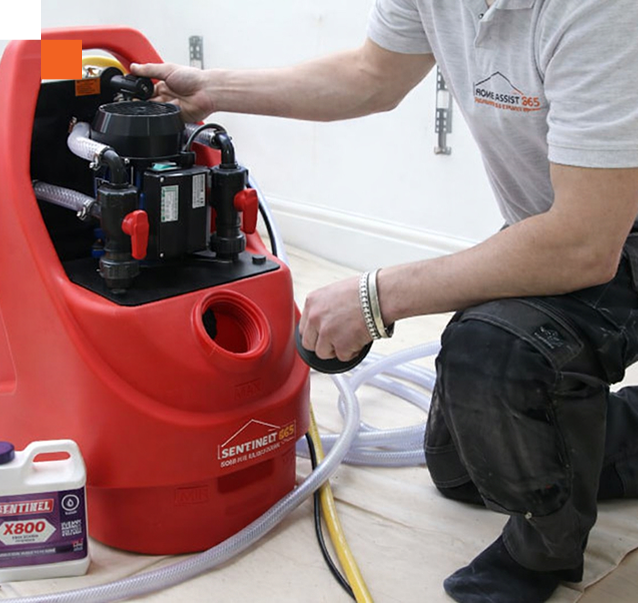
A powerflush is a deep clean for your central heating system. Using a high-powered flushing machine and specialist cleaning chemicals, we circulate water at high velocity through your pipes, radiators, and boiler – dislodging and removing all the muck that’s built up over time.
Signs You Need a Powerflush

We test your system pressure, inspect radiators, and take water samples to assess contamination levels.

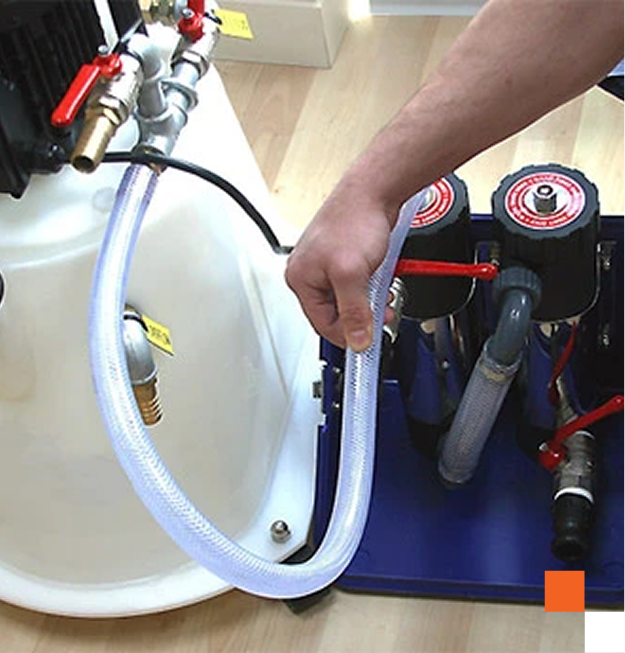
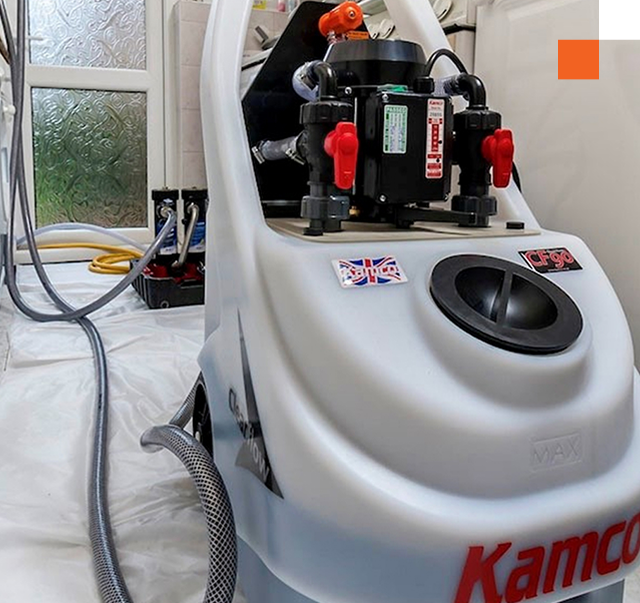
We connect our high-powered flushing machine to your system, usually at a radiator valve or boiler connection.

We introduce specialist cleaners and descalers to break down sludge, rust, and limescale.

We flush each radiator individually, forward and reverse, until the water runs clear.

Once clean, we add corrosion inhibitor to protect your system from future rust and sludge buildup.

We restore system pressure, test all radiators, and check the boiler is operating correctly.
Price From £525
Based on a typical 3-bed home with 8-10 radiators. Larger properties or complex systems may cost more – we’ll provide a fixed quote before starting work.
How Long Does It Take?
Most powerflushing jobs take 4-6 hours, depending on:
Your heating will be off during the work, but we’ll have it back on the same day.
Magnetic Filter Installation
To keep your system clean long-term, we recommend installing a magnetic filter. This device sits on the heating return pipe and captures any new sludge before it circulates.
Magnetic filter installation: From £150.
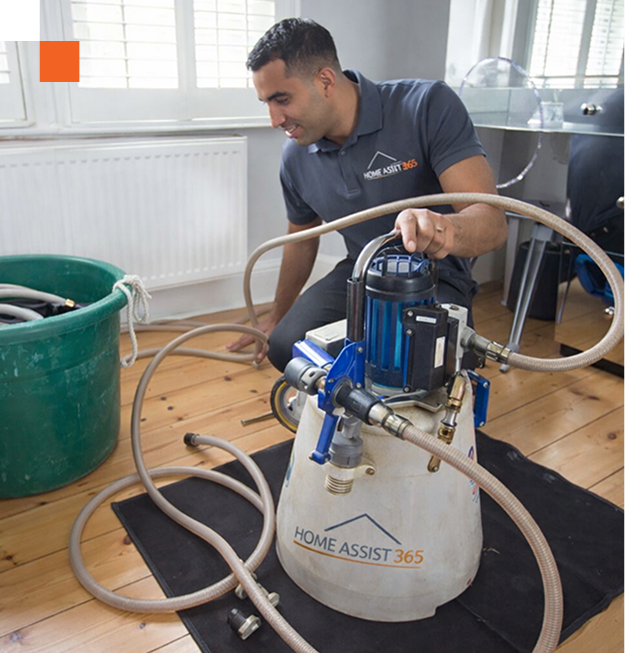
Professional-grade flushing machines
Fully qualified and insured
We don't rush – every radiator gets individual attention
We protect your floors and clean up any mess
At Home Assist 365, our values are rooted in reliability, honesty, and high-quality workmanship. We believe in clear communication, fair and transparent pricing, and completing every job correctly the first time. Our engineers focus on safe, efficient, long-term heating solutions rather than short-term fixes, ensuring lasting peace of mind. Every customer is treated with care, respect, and dependable support, 365 days a year.
If the noise is caused by sludge buildup (kettling), yes. If it’s mechanical, we’ll identify and advise on repairs.
Yes, but it requires specialist equipment and takes longer. Contact us for a quote.
With a magnetic filter, every 10-15 years. Without a filter, every 5-8 years.
Yes – every radiator is individually flushed in both directions until the water runs clear.
Not at all. We connect to drains via hoses. Everything is contained and we clean up afterwards.
No – your heating will be off while we work. We complete most jobs in one day so you have heating back by evening.
Most jobs take 4-6 hours. Very large systems may take a full day. We’ll give you an accurate timescale when we quote.
With a magnetic filter and annual inhibitor checks, your system should stay clean for 10-15 years before needing another powerflush. Your powerflush comes with a 12-month guarantee.
Annual Inhibitor Check: Corrosion inhibitor breaks down over time. We recommend checking it annually during your boiler service and topping up if needed.
Install a Magnetic Filter: Essential protection. Sits on your heating return pipe and captures new sludge before it circulates. Cost from £150 installed. Clean it annually during boiler service. Prevents sludge buildup and extends system life by years.
A powerflush gives you a clean slate – here’s how to keep it that way.
When You Need a Powerflush: Radiators with cold spots, black water when bleeding radiators, system over 10 years old, before installing a new boiler, or when a chemical flush has failed.
When Chemical Flush Works: New-ish system under 5 years with light sludge, preventative maintenance, or before installing a magnetic filter on a relatively clean system.
Chemical Flush: Chemicals are added to the system and left to circulate via the boiler pump. No machine used. System runs as normal for a week or two. Chemicals are then drained out. Usually cheaper (£200-300). Only removes light sludge.
Powerflush: Uses a high-powered machine connected to your system. Circulates water at high velocity to dislodge sludge. Flushes each radiator individually in both directions. Chemicals are used but the machine does the heavy lifting. Takes 4-6 hours. Cost from £525. Removes heavy sludge buildup and restores full flow.
There are two types of system cleaning: powerflush and chemical flush.
Your Powerflush Guarantee: Our powerflushing comes with a 12-month guarantee. If sludge returns within a year (which is very rare if you follow our aftercare advice), we’ll re-flush your system free of charge. This guarantee demonstrates our confidence in our work and our commitment to your system’s long-term health.
Five-Year System Check: Even with perfect maintenance, we recommend a system check every 5 years. We’ll test water quality, check inhibitor levels, inspect for any signs of sludge return, and advise whether the system is still in good condition or needs attention. This check costs around £75-90 but gives peace of mind your system is healthy.
Avoiding System Contamination: Use only qualified Gas Safe engineers for any heating work. DIY repairs or using unqualified people can introduce contaminants. Don’t add radiator sealants or ‘magic’ leak-stop products – these can damage your system. If you add radiators or extend your system, ensure proper flushing and inhibitor addition. Address leaks promptly – don’t just keep topping up the system. Fresh water entering the system constantly brings oxygen that accelerates corrosion.
Annual Boiler Servicing – Preventative Maintenance: Regular servicing keeps your boiler and system healthy. During the service, we check system pressure, inspect for leaks, test inhibitor levels and top up if needed, clean the magnetic filter if fitted, and identify any developing problems before they become serious. Annual servicing costs £89 but prevents expensive breakdowns and extends system life. Many boiler warranties require annual servicing – skip it and you void your warranty.
Corrosion Inhibitor – Chemical Protection: Inhibitor is a chemical additive that prevents corrosion inside your heating system. It creates a protective layer on internal metal surfaces, stops rust formation, and neutralizes acidic conditions that accelerate corrosion. After a powerflush, we add fresh inhibitor to the system. Inhibitor breaks down over time – typically losing effectiveness after 5 years. We recommend checking and topping up inhibitor during annual boiler services. Cost to top up inhibitor is typically £30-50. Without inhibitor, your system will corrode faster and need powerflushing more frequently.
Magnetic Filter Installation – Essential Protection: A magnetic filter is the single best investment for protecting your heating system. It sits on the return pipe to your boiler and captures iron oxide (sludge) particles before they circulate. Cost is from £150 installed – a small price for protecting a £2,000+ boiler. The filter has a powerful magnet that attracts and holds metal particles from the water. It should be cleaned annually – we can do this during your boiler service. Cleaning takes 5 minutes – we drain the filter, remove the magnetic rod, and clean off the collected sludge. A cleaned filter continues protecting your system effectively. With a magnetic filter fitted, your system can stay clean for 10-15 years instead of 5-8 years.
A powerflush gives you a fresh start. Here’s how to keep your system clean for 10-15 years.
Protecting Your System After a Powerflush
Scoring Your System: 1-3 ticked boxes – Consider a powerflush within the next year for preventative maintenance. 4-6 ticked boxes – Powerflush recommended within 3-6 months to prevent further deterioration. 7-10 ticked boxes – Urgent powerflush needed – your system is significantly contaminated. 10+ ticked boxes – Critical condition – powerflush essential before major component failure.
Temperature and Efficiency: Your gas bills have increased despite similar usage patterns. Inefficient circulation means the boiler works harder and longer. Hot water temperature is inconsistent or takes ages to heat up. Sludge in the heat exchanger reduces hot water performance. Rooms take hours to reach comfortable temperature even with heating on constantly. Indicates significant system inefficiency from sludge buildup.
Physical Signs: Radiators are physically corroding – you can see rust spots or pitting on the surface. External corrosion suggests significant internal corrosion too. Heating pipes make banging, clanking, or gurgling noises. Air pockets and sludge create these sounds as water flows unevenly. Your pump is noisy, grinding, or has failed multiple times. Sludge damages pumps by creating resistance and overheating.
System Age and History: Your heating system is over 10 years old and has never been powerflushed. Systems accumulate sludge over time – older systems need attention. The previous owners or landlord never maintained the system properly. Inherited sludge problems are common in older properties. You’re about to install a new boiler. Installing a new boiler on a dirty system will contaminate it and may void the warranty. The property has been empty for months or years. Stagnant water in systems accelerates corrosion.
Boiler Behavior: Your boiler makes kettling noises – sounds like a kettle boiling. This is caused by limescale or sludge on the heat exchanger creating hot spots. The boiler frequently goes into lockout or shows error codes. Sludge causes overheating and triggers safety shutdowns. You’ve had multiple boiler breakdowns in the past year despite being serviced. A clean system shouldn’t break down frequently. The boiler pressure drops constantly and you’re topping it up weekly. While this often indicates a leak, sludge can also affect pressure.
Water Quality Indicators: Black, brown, or rust-colored water comes out when you bleed radiators. Clean systems should release clear water with perhaps a slight tint from inhibitor. The water smells metallic or unpleasant. Healthy heating systems shouldn’t smell. You can see rust or particles floating in the water from radiators. This is literally seeing the sludge inside your system.
Radiator Performance Issues: Cold patches on radiators – especially the bottom half staying cold while the top is hot. This is the classic sign of sludge settling at the bottom. Some radiators in your home heat up perfectly while others barely get warm. This indicates sludge blocking flow to certain radiators. Radiators take 30+ minutes to heat up after turning on the heating. Clean systems heat radiators within 10-15 minutes. The first radiator near the boiler is scorching hot but radiators further away are lukewarm. Uneven heat distribution suggests circulation problems from sludge. You need to bleed radiators more than twice a year. Constant air in the system often indicates corrosion creating hydrogen gas.
Use this detailed checklist to determine if your system needs a powerflush. The more boxes you tick, the more urgent the need.
Complete Powerflush Diagnostic Checklist
Why Local Matters: We know the water quality issues specific to Bristol, Bath, and South Wales. Hard water areas need more frequent attention. Our local knowledge means we can give you realistic advice on how often your system needs flushing.
South Wales Coverage: Newport, Cardiff, Chepstow, and surrounding South Wales areas. We’re one of the few companies offering professional powerflush services across the Bristol and South Wales region.
Bath and Surrounding Areas: Bath city centre, Oldfield Park, Twerton, and all Bath areas. The water quality in Bath varies by area – we can advise on the best maintenance schedule for your location.
Bristol Area Coverage: We serve all Bristol postcodes including Clifton, Redland, Bishopston, Southville, Bedminster, and surrounding areas. Hard water in parts of Bristol means systems here often need powerflushing every 5-8 years.
We provide professional powerflushing services throughout Bristol, Bath, South Wales, and the surrounding areas. Our engineers know the local area well and can usually reach you within 30 minutes.